
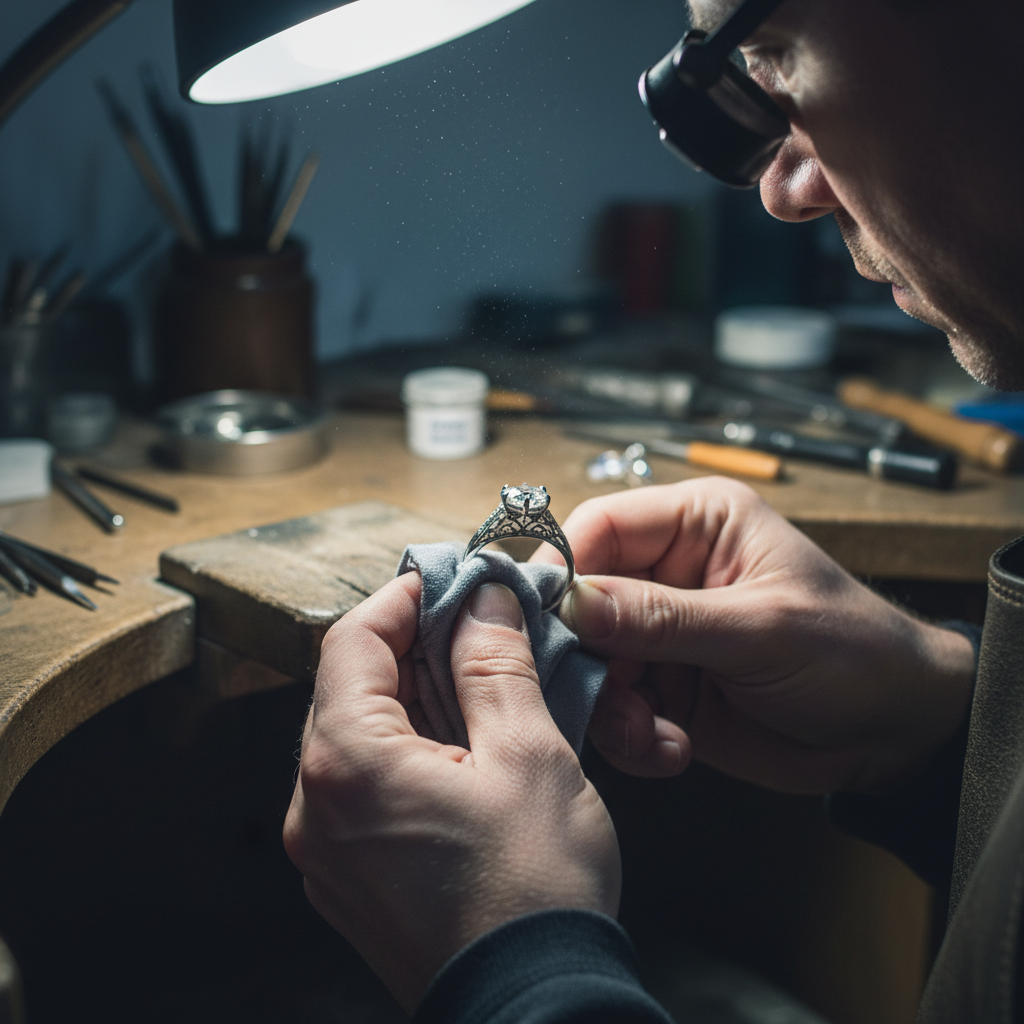
The bench is already set.
Your hands just need to show up.
Small-cohort workshops for career-changers, plateau'd hobbyists, and working jewelers who never learned lost-wax properly. An instructor behind your shoulder — not a screen.
You've watched a hundred tutorials. Your bezels still won't close clean.
Self-teaching jewelry has a ceiling. Not because you're not talented — because the craft demands real-time correction that video simply cannot provide.
Your bezels won't close clean.
You've watched the same tutorial fourteen times. The instructor's bezel closes in thirty seconds. Yours gaps. The solder flows the wrong direction. Nobody explains why — the camera angle hides the torch position entirely.
Torch angle is invisible on video. You can't learn it from a screen.
Flux behaves differently on copper vs. fine silver.
Self-taught jewelers learn this the hard way — burned flux, pitted metal, oxidized solder joins. It takes years of ruined pieces to develop the intuition that an instructor can hand you in a single session.
Two minutes of hands-on correction saves six months of bad habits.
No one tells you when your setup is wrong.
Your bench pin is too high. Your pickle solution is exhausted. Your burs are dull and you're compensating with pressure instead of speed. These compound into technique problems that feel like personal failures.
Equipment issues masquerade as skill problems. We fix both.
"The ceiling isn't your talent. It's the absence of someone standing behind your shoulder."
Pull up a stool. The torch is already lit.
A converted warehouse in Portland. Flux smell in the air. Eight benches, never more. Someone slides you safety glasses before you ask.
Max 8 students per cohort.
Not 30. Not online. Eight benches, one instructor. You get eyes on your work every session.
Instructor corrects your torch angle in real time.
Not after you've burned three bezels. While you're holding the torch. The correction happens before the mistake compounds.
The pickle pot is already warm.
Tools set up. Safety glasses ready. A shared bench where you're expected — not just enrolled.
Three workshops. One studio.

Metalsmithing Fundamentals
6 Weeks · Saturday mornings
Sawing, filing, annealing, soldering, finishing. The foundation that every other technique builds on. By week three you'll close a bezel cleanly.

Stone Setting Intensive
4 Weeks · Monday evenings
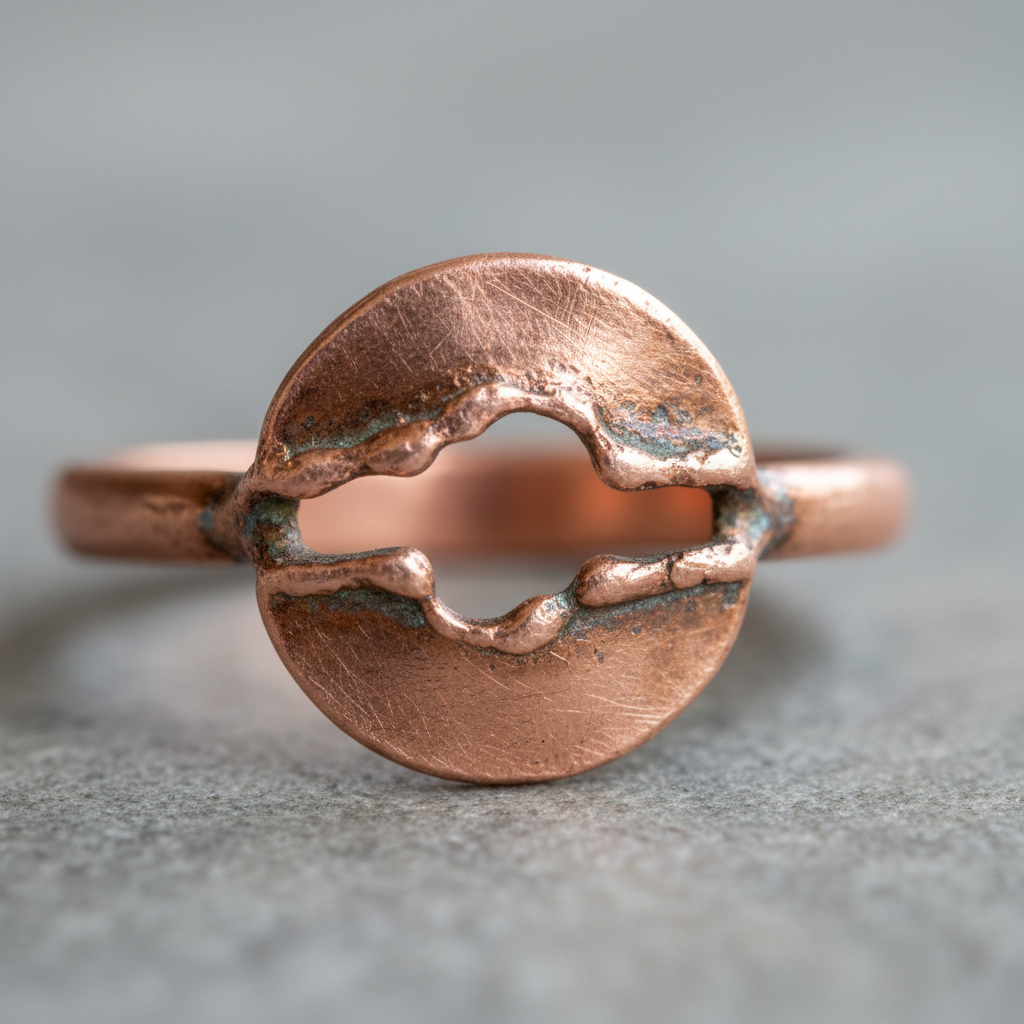
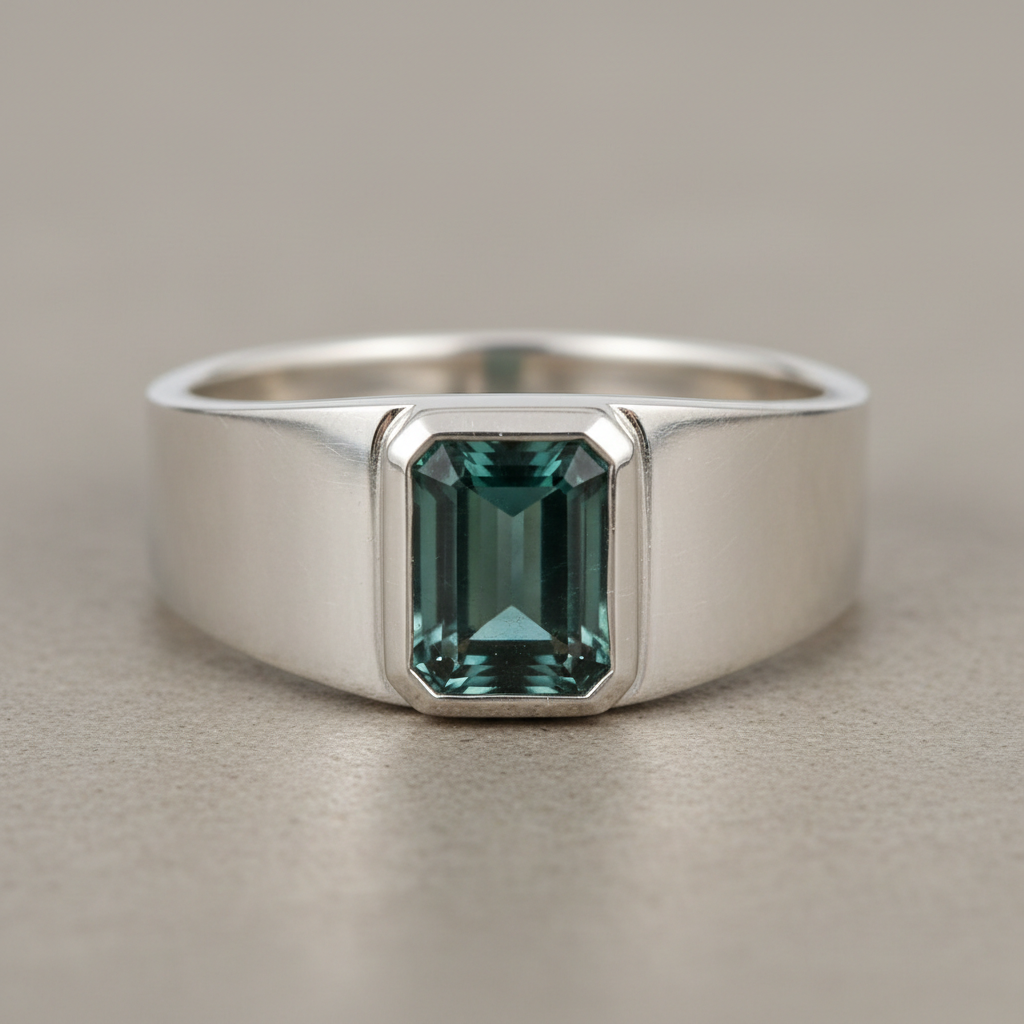
Bezel, prong, flush, pavé. We start on copper until your hands know the motion, then move to silver. Bring a stone — we'll help you set it.

Lost-Wax Casting
2 Days · Full weekend
Carve in wax on Saturday. Cast in metal on Sunday. Take home a finished piece. The process demystified in 16 hours.
From fumbling to fluency.



127 students
since 2023
"I spent two years on YouTube. My bezels never closed. In week three at Forge, Maya stood behind me and said "lower the torch tip three millimeters." That was it. That was the thing I needed to hear."
Priya Nair
Former UX Designer → Bench Jeweler
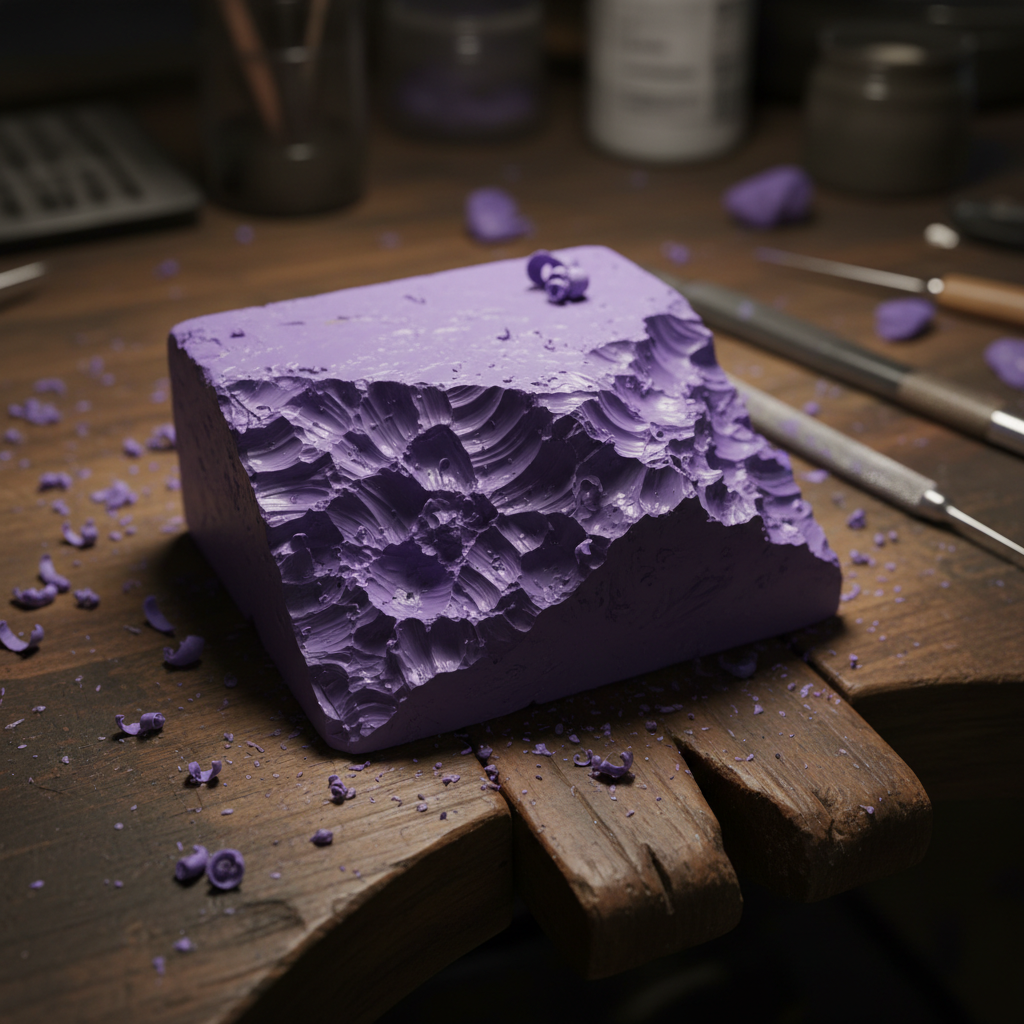
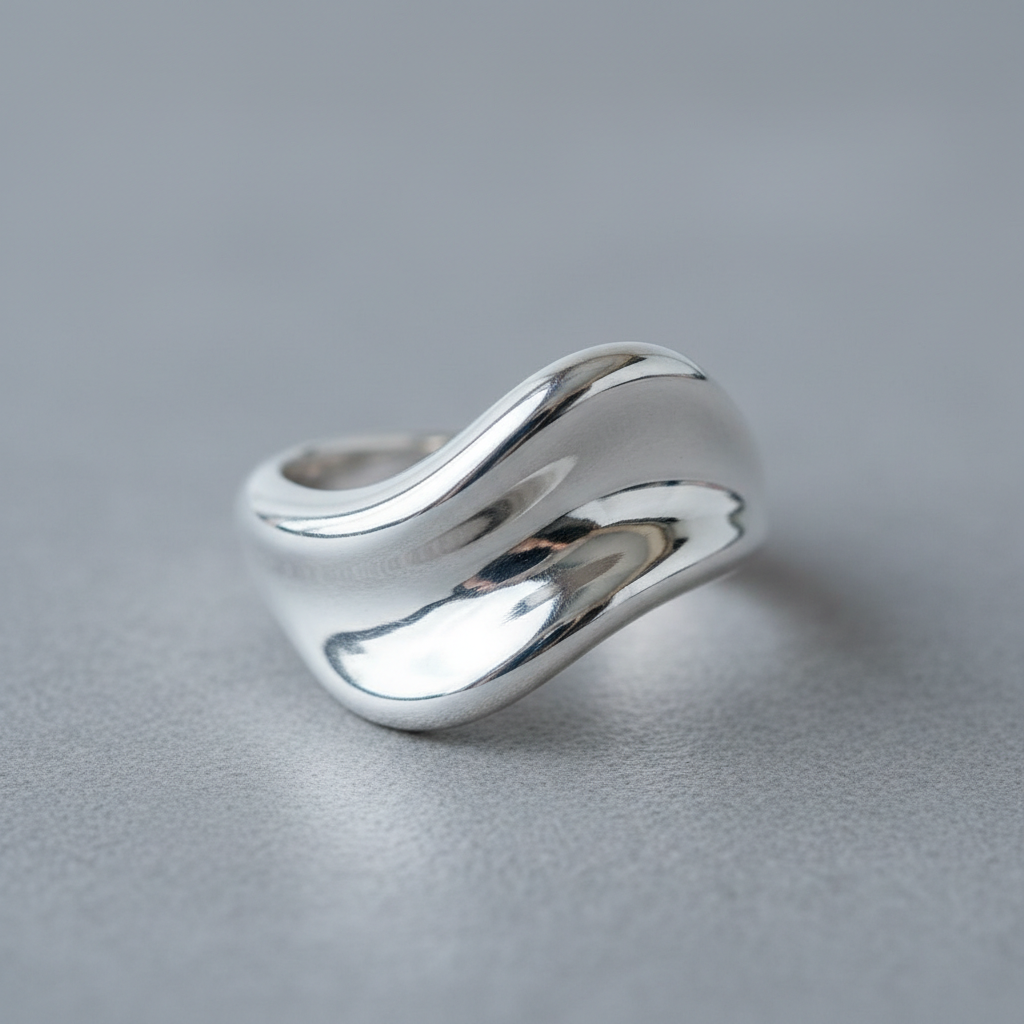
"The Lost-Wax weekend changed my whole relationship to the material. I came in knowing nothing about casting. I left with a ring I'd carved myself, cast in sterling. The wax just makes sense when someone's carving beside you."
Marcus Okonkwo
Accountant · Hobbyist Maker
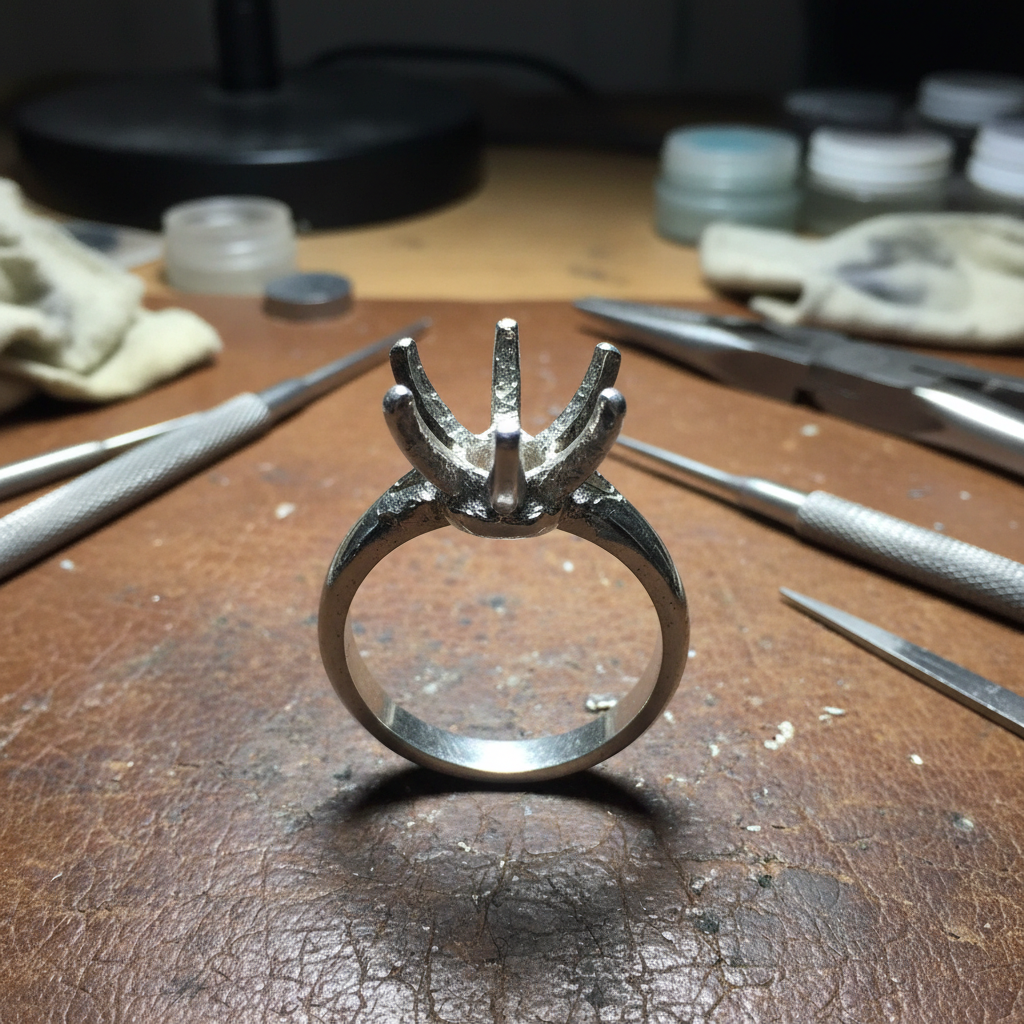
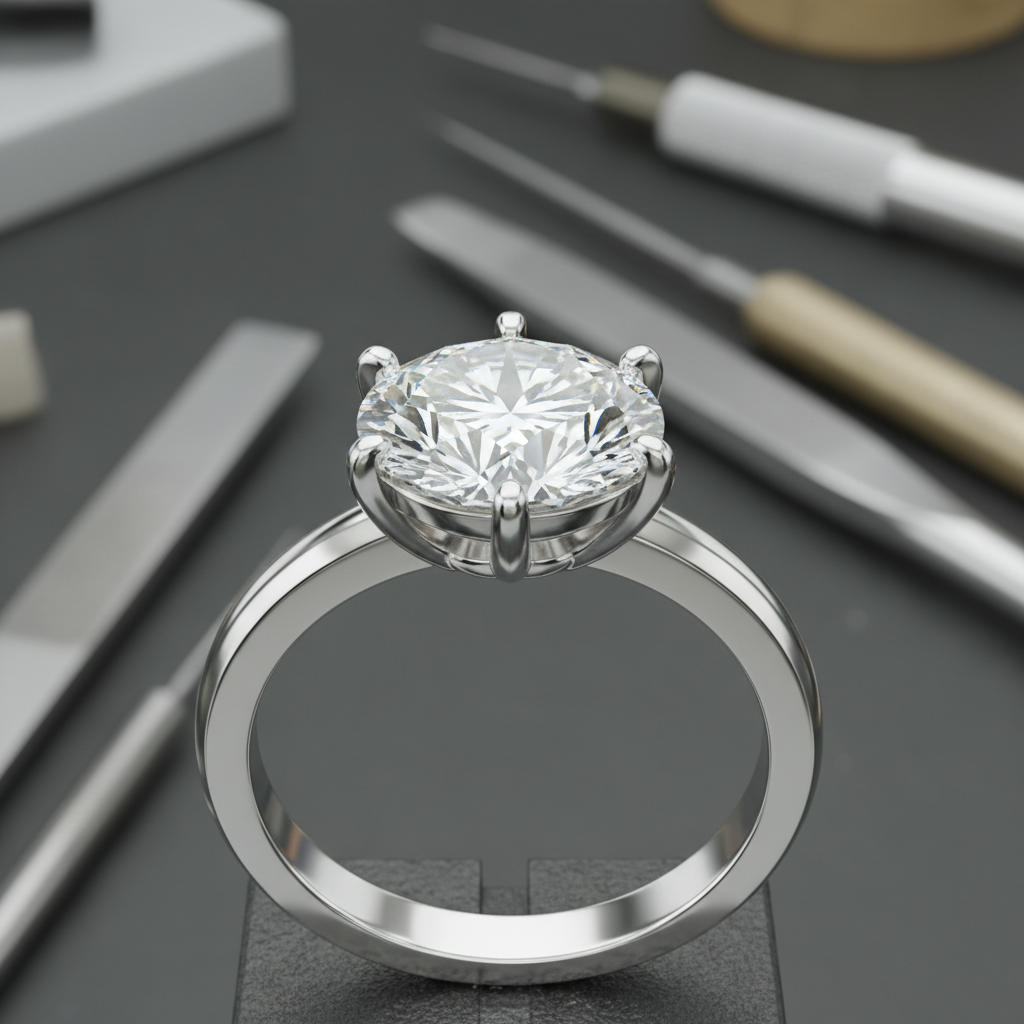
"I'd been setting stones professionally for four years and never understood why my prongs always needed so much cleanup. One session on prong geometry fixed a problem I'd had my entire career. I was embarrassed. Then relieved."
Dana Kowalski
Working Jeweler · 4 Years Bench
Not ready to register? Start with the checklist.
The Bench Setup Checklist covers everything you need before your first session — whether that's here or anywhere else. 47 items. No fluff.
- Bench pin height: elbow-level when seated
- Flex-shaft positioned right of dominant hand
- Ring clamp within arm's reach
+ 35 more items in the full checklist — soldering setup, tool care, first project sequence
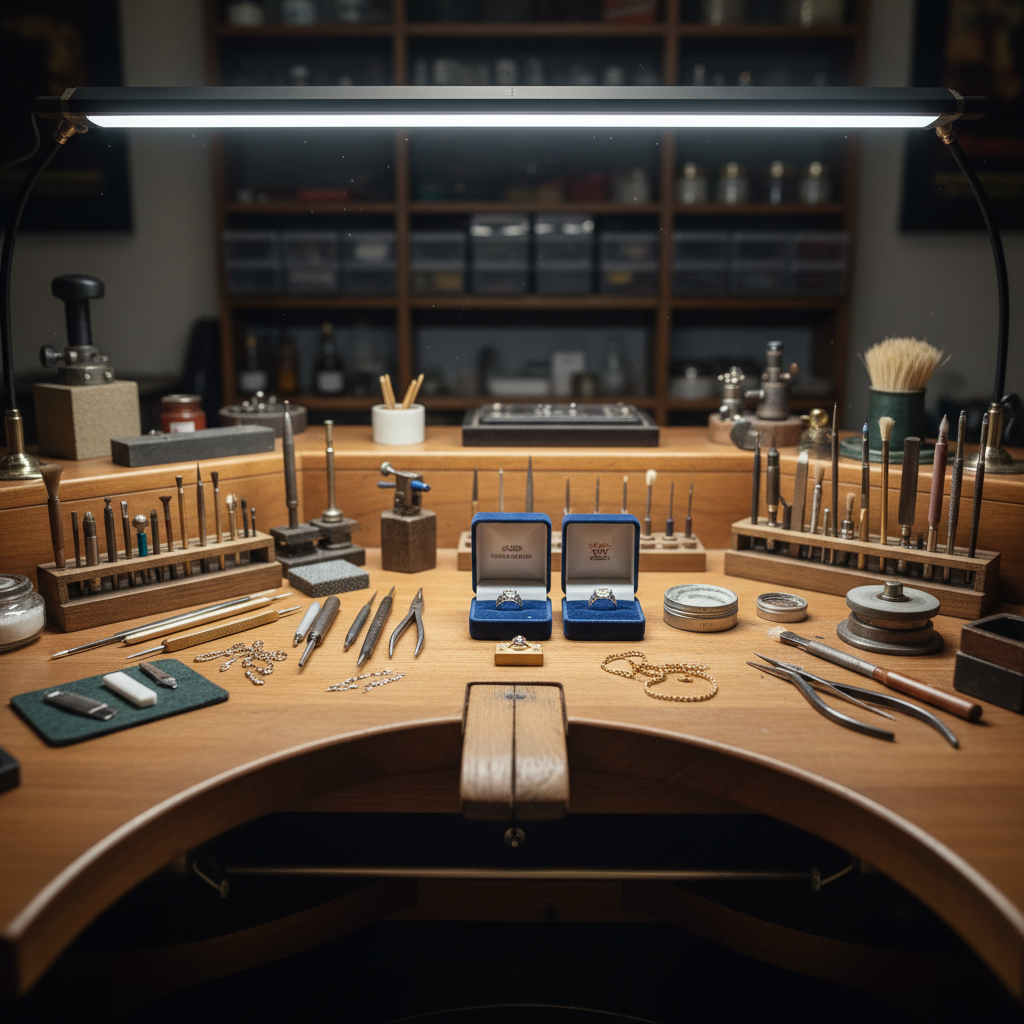
The Bench Setup Checklist
47 items · Free PDF · No fluff
Everything you need to set up your bench right the first time. No wasted money on the wrong tools, no safety shortcuts you'll regret.


Downloaded by 342 makers this year